Facial Ageing
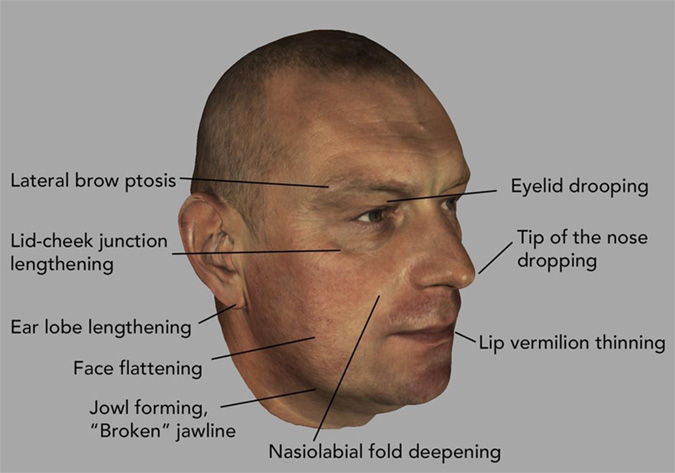
Facial ageing reflects the dynamic, cumulative effects of time on the skin, soft tissues, e.g.fat & muscle, and deep structural components of the face, e.g. deep fat and bone.
It is a complex synergy of skin textural changes and loss of facial volume.
Dr Helen has in depth knowledge of treatment planning and optimal product selection to ensure the ideal placement and thickness of product is placed for every patient’s individual needs.
Dr Helen will always examine the specific sites prone to resorption in patients undergoing facial rejuvenation and address them in order to obtain superior aesthetic results.
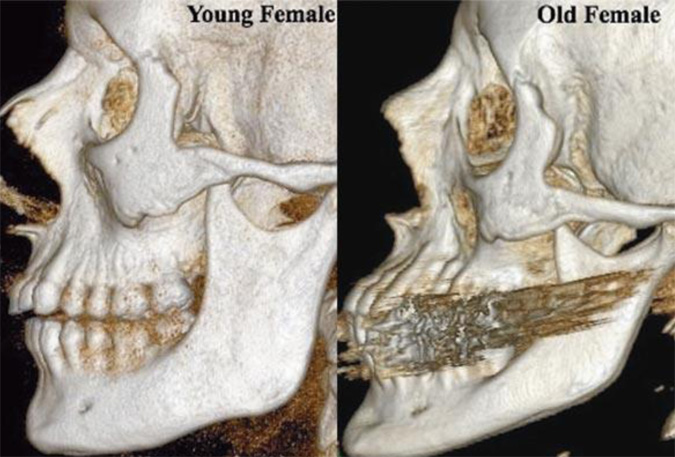
The decreased bony support over time:
• Widening of the eye socket
• The orbits increase in size, whereas the maxilla decreases in size, compounding the inferior displacement of the malar fat pad and accentuation of the nasolabial fold.
• In the midcheek, weakness of skeletal support medially contributes to the “tear-trough deformity” and over the cheek apex area, the changes manifest as malar mounds
• Changes in the bony foundation that support the nose in youth are responsible for many of the soft tissues changes seen in the nose with aging, e.g. lengthening of the nose and drooping of the tip
• Resorption of the maxilla
• increased piriform fossa space (next to the nostrils) => more prominent nose–mouth lines (nasolabial folds) *This is one of Dr Helen’s most favoured area to treat, giving extremely effective results*
• loss of support for the upper lip, which contributes to perioral wrinkling
• Loss of bone mass in the jaw reduces the size of the lower face
• Reduced jaw definition
• Jowl formation
Rebuilding these areas of lost skeletal support is another method for restoring projection and facilitating repositioning of the soft tissue. This method is a fundamental element in achieving the goals of natural-appearing facial rejuvenation.
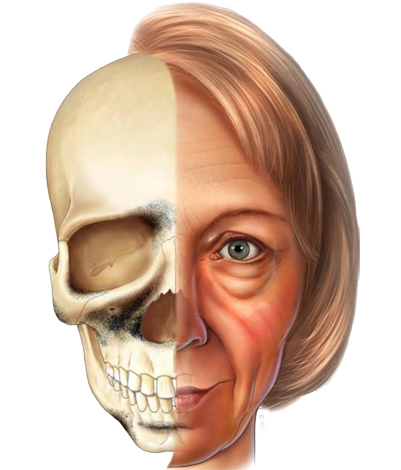
Above Photo: The darker areas are those of the greatest bone loss. The stigmata of aging, manifested by the facial soft tissues, corresponds with the areas of weakened skeletal support
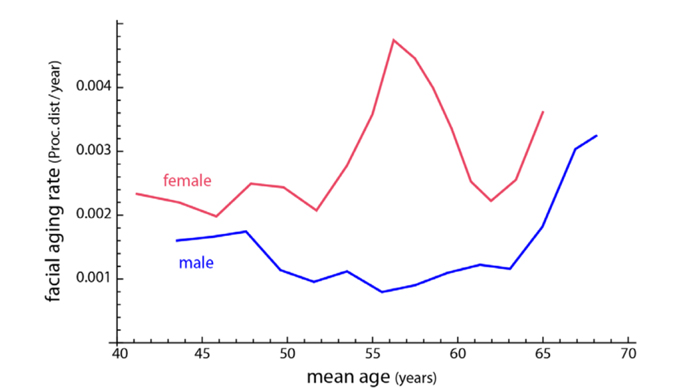
Menopause causes many changes to the skin:
• The body stops making as much collagen.
• Fat is lost from under the skin and
• The skin's elasticity drops
• These, combined with dryness caused by hormonal changes, can cause sagging -- especially around the neck, jawline, and cheeks -- and fine lines and wrinkles.
It is a complex synergy of skin textural changes and loss of facial volume.
Dr Helen has in depth knowledge of treatment planning and optimal product selection to ensure the ideal placement and thickness of product is placed for every patient’s individual needs.
Skeletal Changes
A defining characteristic of youth is good skeletal structural support. Facial aging results from a combination of soft tissue and bony changes. The skeleton may be the primary cause for the manifestations of premature aging, yet is often overlooked.Dr Helen will always examine the specific sites prone to resorption in patients undergoing facial rejuvenation and address them in order to obtain superior aesthetic results.
The decreased bony support over time:
• Widening of the eye socket
• The orbits increase in size, whereas the maxilla decreases in size, compounding the inferior displacement of the malar fat pad and accentuation of the nasolabial fold.
• In the midcheek, weakness of skeletal support medially contributes to the “tear-trough deformity” and over the cheek apex area, the changes manifest as malar mounds
• Changes in the bony foundation that support the nose in youth are responsible for many of the soft tissues changes seen in the nose with aging, e.g. lengthening of the nose and drooping of the tip
• Resorption of the maxilla
• increased piriform fossa space (next to the nostrils) => more prominent nose–mouth lines (nasolabial folds) *This is one of Dr Helen’s most favoured area to treat, giving extremely effective results*
• loss of support for the upper lip, which contributes to perioral wrinkling
• Loss of bone mass in the jaw reduces the size of the lower face
• Reduced jaw definition
• Jowl formation
Rebuilding these areas of lost skeletal support is another method for restoring projection and facilitating repositioning of the soft tissue. This method is a fundamental element in achieving the goals of natural-appearing facial rejuvenation.
Above Photo: The darker areas are those of the greatest bone loss. The stigmata of aging, manifested by the facial soft tissues, corresponds with the areas of weakened skeletal support
Menopause causes many changes to the skin:
• The body stops making as much collagen.
• Fat is lost from under the skin and
• The skin's elasticity drops
• These, combined with dryness caused by hormonal changes, can cause sagging -- especially around the neck, jawline, and cheeks -- and fine lines and wrinkles.
